
Propserve Soil Poisoning & COCs Division
Division 05 of 09
Termite soil treatment applied to the ground before the slab is cast, and the wood destroying insect certificates that conveyancers and banks ask for when a house changes hands.
Two jobs that both end in a certificate.
This division does two things that are often confused with each other. The first is soil poisoning: a termite treatment applied to the ground before a slab is cast, or around a structure that is already standing. The second is the certificate side of a property sale, where a buyer, a bank or a conveyancer wants it in writing that the timbers in the house carry no active wood destroying insects.
They are separate visits with separate certificates. Both have to be carried out by an operator registered with the Department of Agriculture under Act 36 of 1947, and both come down to the same thing in the end: a document that somebody else is going to rely on, with our name and our registration number on it.
Which is why we will not issue a certificate for work we did not do, or for a house we did not inspect. That sounds obvious until you are asked.
Part one
One chance to do it. It closes when the slab is cast.
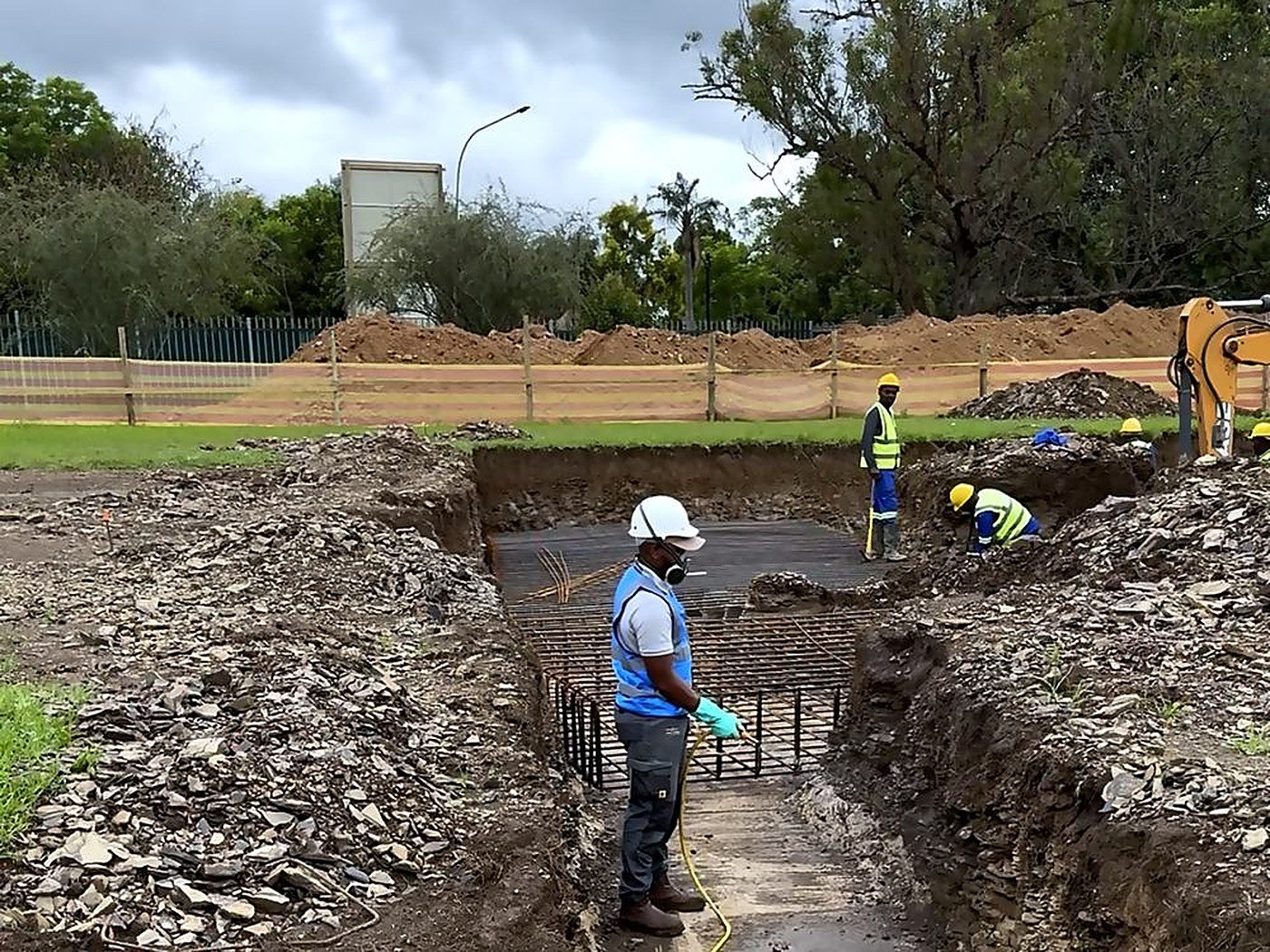
Soil treatment before construction is the one termite defence you cannot retrofit cheaply. It has to be applied to the prepared surface bed and the trenches before the concrete goes down. Once the slab is cast the opportunity is gone, and any termite problem after that has to be solved from above at far greater cost and disruption.
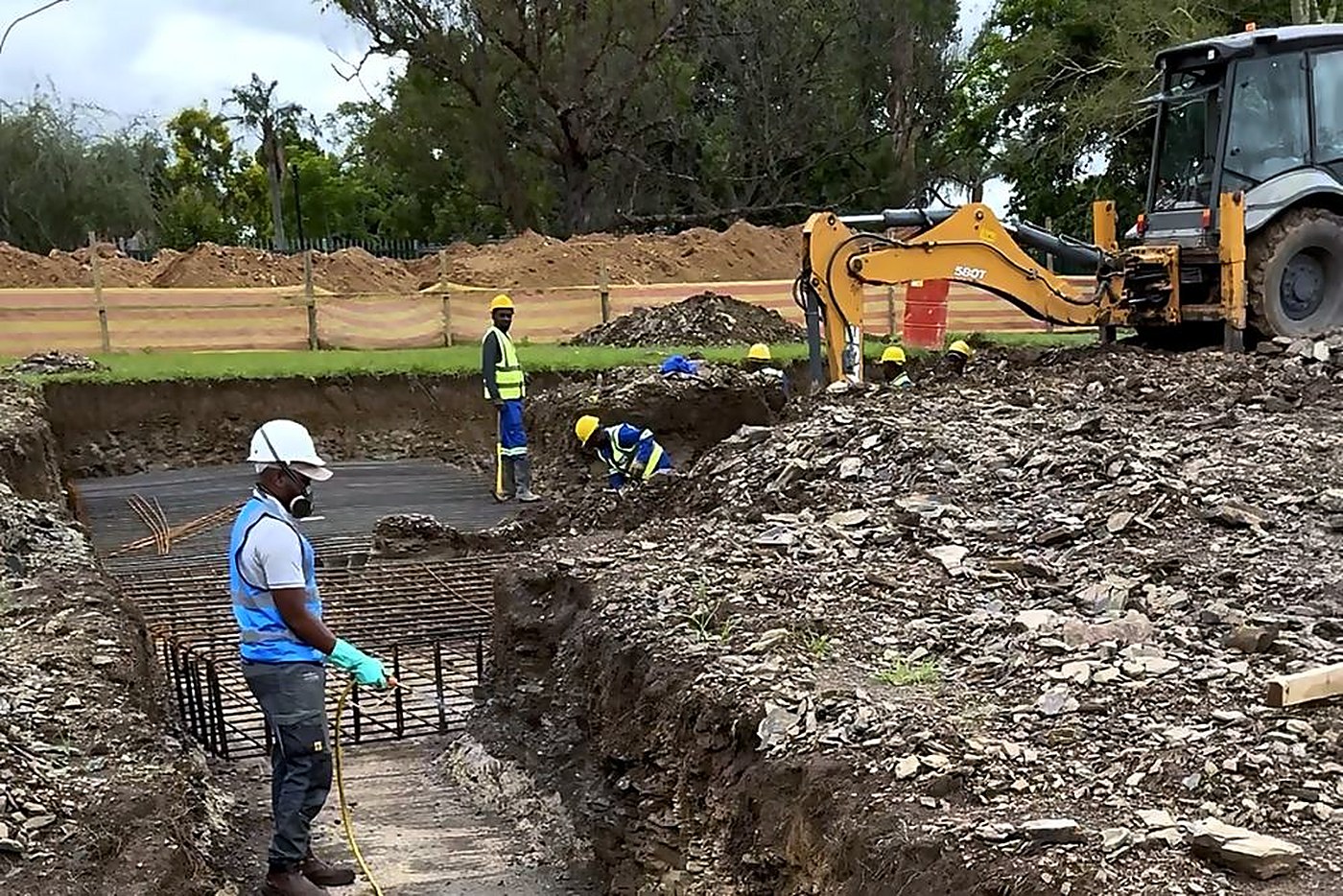
The treatment creates a continuous treated zone under and around the structure, applied at label rate using a product registered for the purpose. Coverage matters more than volume. The value is in an unbroken barrier at the perimeter trenches, around every service penetration and at the construction joints, which is exactly where it gets skimped.
On completion you receive a treatment certificate recording the site, the date, the product, the concentration and the area treated. Banks commonly make it a bond condition, engineers and building inspectors ask for it during the build, and conveyancers ask for it again years later on transfer.
- Surface bed treatmentThe full prepared fill under the slab treated at label rate before the concrete is poured.
- Perimeter trenchesFoundation and perimeter trenches treated to form a continuous barrier around the structure.
- Service penetrationsPlumbing, conduit and duct penetrations detailed individually, because that is the classic entry point that gets missed.
- Extensions & additionsNew slabs on additions treated and certified, with the junction to the existing structure detailed.
- Post construction treatmentWhere a structure is already built, perimeter trenching and injection as the remedial alternative.
- Photographic recordThe treated ground photographed before the slab covers it, which is the only proof that survives the pour.
- Treatment certificateIssued on completion for your bank, engineer, inspector, insurer or conveyancer.
Before the pour
It happens on the morning the concrete arrives
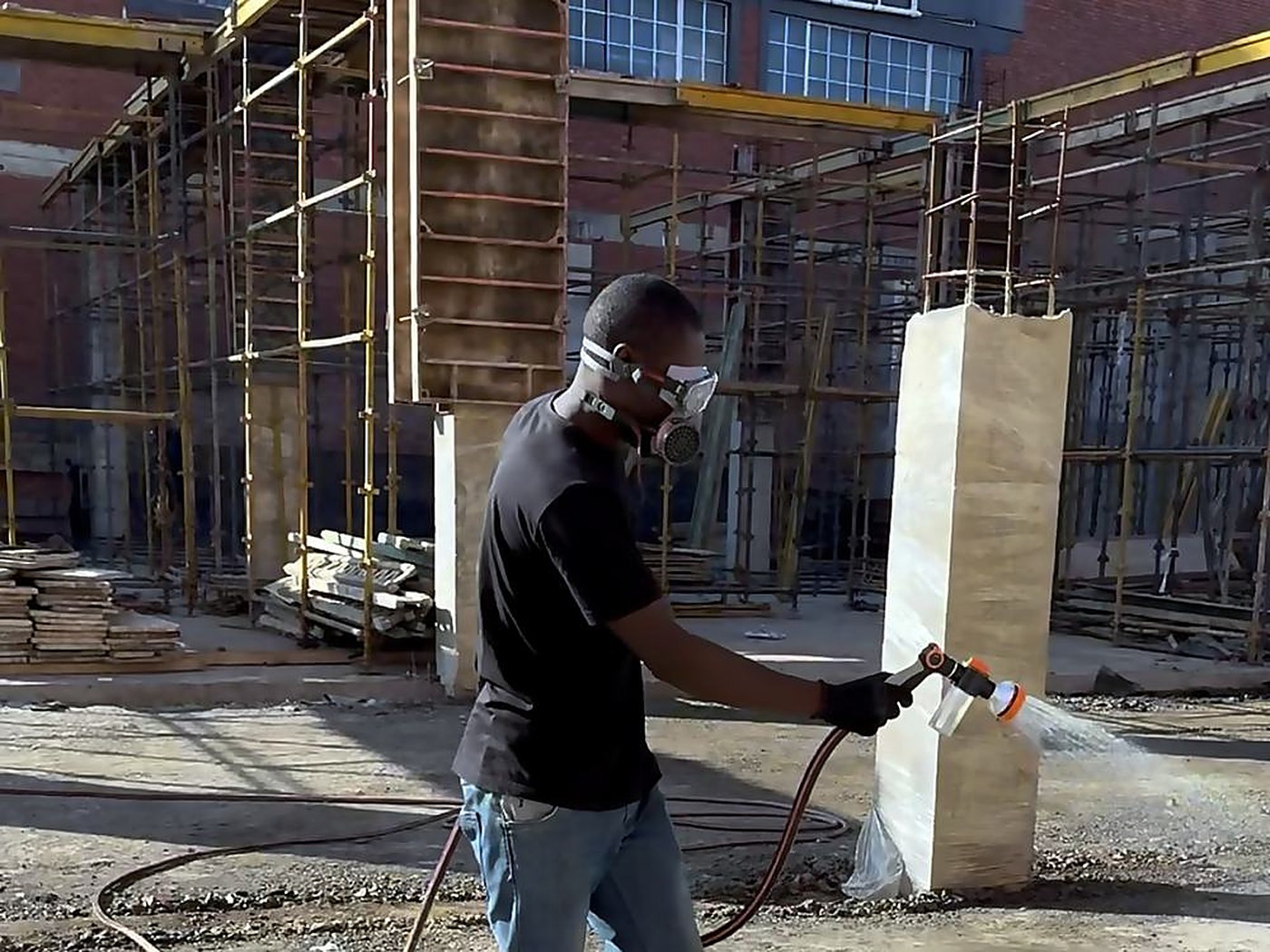
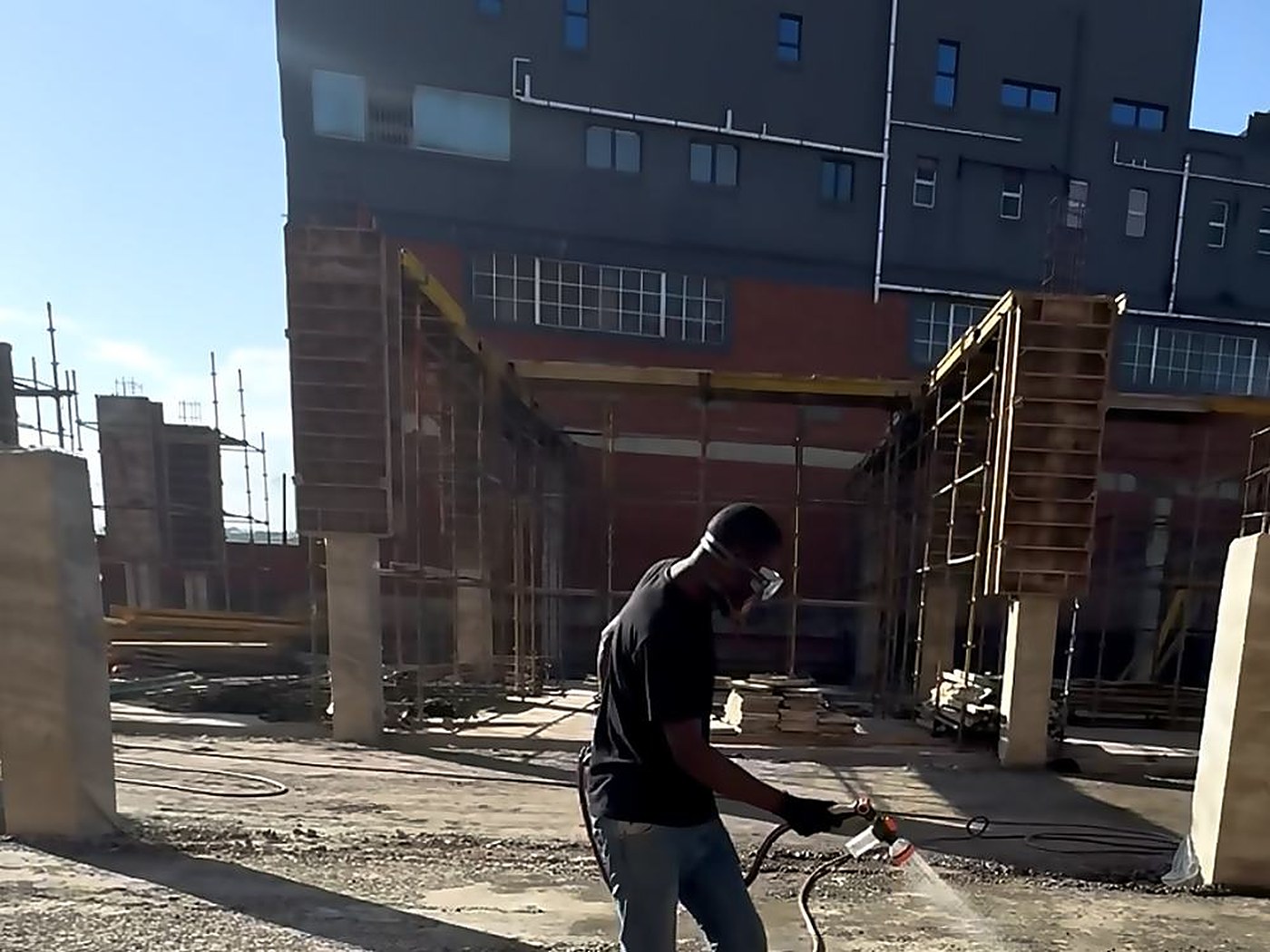
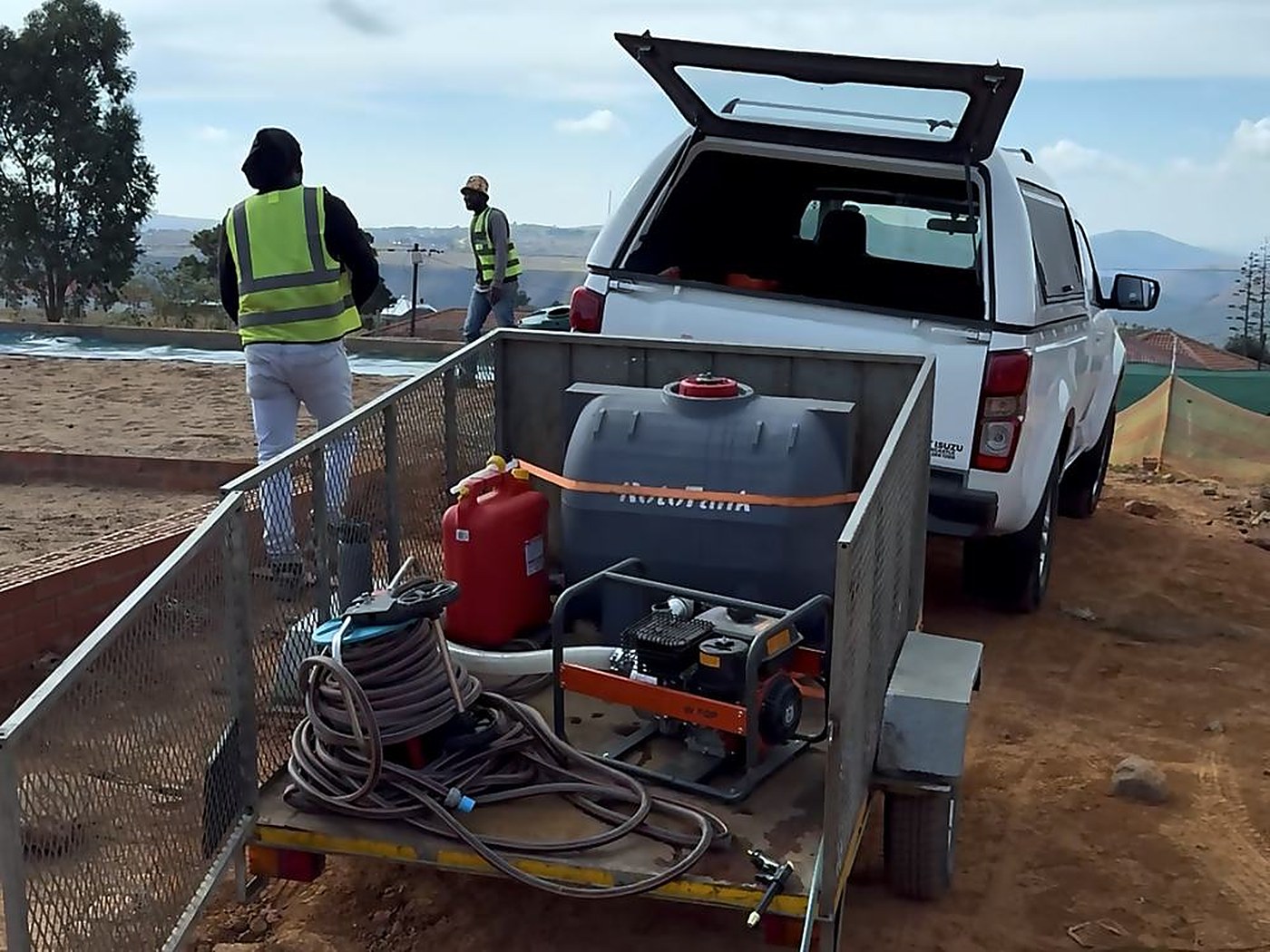
Treatment goes down after the fill is prepared and compacted and before the first load of concrete. That makes it the one item on a build programme with no second chance, and the one most likely to be squeezed when the pour is brought forward. Give us the date as soon as it is set and we will work to it, including early starts and Saturdays.
Part two
The certificate that says the timber is clean
When a house is sold in KwaZulu Natal the agreement almost always requires the seller to produce a certificate confirming that the accessible timbers show no active wood destroying insect infestation. Most people call it a beetle certificate or an entomologist’s certificate. It is a term of the sale agreement rather than a law, which means the wording of your offer to purchase decides exactly what is required.
The inspection covers the timber somebody can actually reach: roof timbers and trusses where there is safe access, doors and frames, skirtings, timber floors, built in cupboards, decks and cladding. What we are looking for is active infestation by the common house borer, powderpost beetle and drywood termite, along with subterranean termite activity and the timber decay that usually turns up with a long standing leak.
If the timbers are clear the certificate is issued and goes to your conveyancer. If they are not, you get a written report of what was found and where, with photographs, and a price to treat or replace it. The certificate follows once that work is done. A certificate is a statement of fact on the day, not a formality signed on the way past.
It is worth being clear about what it does not cover, because that is where arguments start. It is not a pest control certificate. It says nothing about the normal ageing and weathering of timber, or about doors and windows that have swollen with damp. It certifies one thing: that the accessible timber carries no active insects that bore into or destroy it. And it is valid for three months, which is why the timing of the booking matters as much as the booking itself.
- Pre sale timber inspectionThe accessible timbers through the house and outbuildings, booked around the transfer date.
- Roof void & trussesTrusses, purlins, battens and ceiling timbers inspected wherever there is safe access to the roof space.
- Doors, frames & joineryInterior joinery, door frames, skirtings, architraves and built in cupboards.
- Timber floors & decksStrip flooring, parquet, decks, pergolas, balustrades and timber cladding.
- Subterranean termite checkEvidence of subterranean termite activity around the structure, not only in the timber itself.
- Treatment where it is neededInjection, fumigation or timber replacement priced separately where active infestation is found.
- Certificate to your conveyancerIssued in writing with our operator registration details and sent to you and your attorney.
- Second opinion inspectionsWhere a buyer or seller disputes another operator’s finding, an independent inspection and written report.
- What it does not coverNot pest control, not the normal ageing or weathering of timber, and not doors and windows swollen by damp.
How a job is scheduled
- Tell us which one you needA slab going down and a treatment certificate, or a house being sold and a timber certificate. They are different visits and different certificates.
- Book against the date that mattersFor soil treatment that is the pour date, and the window is narrow. For a sale it is the transfer date, and earlier is better, because any treatment has to happen before a certificate can be issued.
- ReadinessFor a pour, the fill must be prepared, compacted and free of standing water. For an inspection we need access to the roof space, the cupboards and any locked rooms.
- The visitTrenches, surface bed and penetrations treated at label rate with coverage recorded, or the accessible timbers inspected and the findings written down as we go.
- Photographic recordTreated ground is photographed before the slab covers it, and anything found in a timber inspection is photographed where it sits.
- Certificate issuedEmailed within 12 hours of the visit, to you and to your bank, engineer, inspector or conveyancer.
Needed by
- Owners building a new home
- Building contractors and project managers
- Developers and estate builds
- Anyone adding a slabbed extension
- Sellers whose conveyancer has asked for a certificate
- Buyers whose bank has made it a bond condition
- Estate agents and conveyancing attorneys
- Body corporates and managing agents
Where these certificates sit legally
Neither of these is a statutory compliance certificate in the way an electrical certificate of compliance is. That does not make them optional. A soil treatment certificate is regularly made a bond condition by banks, and engineers and building inspectors ask for it during the build. A wood destroying insect certificate is normally a term of the sale agreement itself, which is close to standard in KwaZulu Natal, so a transfer can sit and wait without one. Both must be issued by an operator registered with the Department of Agriculture under Act 36 of 1947, using registered products applied strictly to label. Keep them with your building file, because they will be asked for again.
Common questions
What is the difference between the two certificates?
A soil treatment certificate records a chemical barrier we applied to the ground, usually before a slab was cast. A wood destroying insect certificate records the condition of the timber in a standing building on the day we inspected it. A new house can have the first and still need the second when it is sold twenty years later.
When exactly must the soil treatment be done?
After the fill is prepared and compacted, and before the concrete is cast. If the slab is already down, treatment before construction is no longer possible and we move to a post construction approach around the perimeter.
Is the beetle certificate required by law?
No. It is normally a condition of the sale agreement rather than a statutory requirement, but in KwaZulu Natal it is close to standard, and if your offer to purchase calls for one then the transfer waits for it. Your conveyancer will tell you exactly what the agreement asks for.
What happens if the inspection finds something?
You get a written report of what was found and where, with photographs, and a price to treat or replace it. We reinspect and issue the certificate once that work is done. We will not issue a clear certificate on timber that is not clear.
How long is the certificate valid?
Three months from issue. That is why the timing of the booking matters: too early and it lapses before the transfer goes through, too late and there is no room left to treat anything we find. Once the transfer date is in sight, book it.
What is not covered by it?
It is not a pest control certificate, and it is not a condition report on the timber. Normal ageing and weathering, and doors or windows that have swollen with damp, fall outside it. It certifies the absence of active wood destroying insects in the accessible timbers, and nothing more.
Can you certify work someone else did?
No. We certify what we applied or what we inspected, because the certificate carries our operator details and our responsibility. If treatment was done by another operator, that certificate has to come from them.
Is there a site just for the soil poisoning side?
Yes. soilpoisoningcertificate.co.za goes into the soil treatment in more depth, including cost and the areas we cover. Same team, same operator registration.